A garage door usually gets attention only when it stops moving, makes an ugly grinding noise, or refuses to shut when you are already late. That pattern is expensive. Most garage door problems build slowly, then show up all at once on a hot afternoon or in the middle of a wet week when you need the door to work without argument. A regular service every 12 months is not glamorous, but it is one of the most practical ways to fix garage door issues before they turn into a breakdown.
That annual rhythm matters even more in places where heat, humidity, and salt air wear down hardware faster. Those conditions are not rare in coastal parts of Australia, and they can be hard on moving metal parts, motors, and the general fit of the door. A door that looked fine six months ago can drift out of tune without obvious warning. Then you get the symptoms people usually notice first: a noisy travel cycle, a remote that seems inconsistent, a door that shudders on the way up, or a garage door not closing properly.
A twelve month service is not just a clean and a quick spray of lubricant. Done properly, it is a chance to inspect the hardware, check how the door is travelling, assess wear in the system, and decide whether a small repair now can prevent a major one later. In many cases, that is the difference between a modest service visit and a more involved call for garage door opener repair, motor replacement, or spring work.
Why a calendar matters more than a breakdown
Homeowners often assume that if the door opens and closes, it is fine. In practice, garage doors can keep operating while carrying hidden wear. Rollers can age, tracks can shift, the motor can strain more than it should, and the springs can lose their ideal balance over time. The system still works, but it works harder. That added strain tends to spread. One worn part starts affecting another.
This is why an annual service makes sense. It places the inspection on your schedule instead of the door’s schedule. You are not waiting for failure. You are checking the system while it is still mostly functional, which gives a technician more room to correct smaller issues. It is often easier to sort out early garage door alignment drift than to deal with a door that has already started binding or hitting the ground unevenly.
There is also a safety reason for not waiting too long. Springs are under high tension, and that is not a minor detail. Spring adjustment or repair is dangerous without the right training and tools. When a spring breaks, the problem is no longer just inconvenience. It becomes a situation that should be handled professionally. A sensible annual service can help spot wear patterns before they reach that point.
The problems annual servicing tends to catch early
A well used garage door follows a predictable pattern. It rarely fails without giving clues. The trouble is that most people do not know which clues matter.
Here are some of the signs that deserve attention before the next season rolls around:
- the door becomes noisier than usual during opening or closing the movement looks uneven or hesitant the remote or motor response becomes inconsistent the door does not sit or travel evenly, suggesting garage door alignment issues the garage door is not closing properly, especially if the behaviour is intermittent
None of those signs automatically means a major repair is coming. Sometimes the fix is simple. Sometimes it points to wear in a component that should be replaced before it affects the rest of the system. The value of servicing is that it turns symptoms into diagnosis instead of guesswork.
Take a common example. A homeowner notices the door reaches the floor and then reverses, or closes most of the way and stops short. It is tempting to focus only on the opener because the symptom appears electrical. But the root cause may not be the motor alone. If the door is misaligned or moving with resistance, the opener can struggle to complete the cycle properly. What looks like a straightforward garage door opener repair can actually begin with the way the door itself is travelling.
Garage door alignment is not a cosmetic issue
When people hear “alignment,” they often picture something minor, almost visual, as though the door just looks slightly off. In reality, garage door alignment affects the entire operating system. A door that is not moving true through its path can place uneven loads on rollers, tracks, hinges, and the opener.
That matters because garage doors are heavy and repetitive machines. They do the same motion over and over, often several times a day. If they are even slightly out of line, the wear compounds. One side may take more load than the other. The travel can become rougher. The motor may have to work harder. Small contact points start wearing faster.
In the early stages, you may only hear a bit more rattling or notice that the door looks less smooth in motion. Left long enough, alignment problems can feed into other repairs. That is why annual servicing is valuable even when the door still appears usable. A professional check can identify whether the tracks, hardware, or overall movement need correction before the issue grows into a larger fix garage door job.
The real cost of ignoring opener strain
Openers and motors often get blamed first because they are the most obvious moving parts to garage door resource the user. Press the button, nothing happens as it should, and the opener becomes the suspect. Sometimes that instinct is right. Motor replacement and automation related repairs are standard parts of garage door service work. Remotes, motors, and related components do wear out or fail.
But opener trouble is often a downstream problem. An opener connected to a poorly balanced or misaligned door is being asked to overcome mechanical resistance it was not meant to handle indefinitely. It may still operate for a while, but the strain shows up as hesitation, slower performance, inconsistent response, or premature failure.
This is one of the most practical arguments for yearly servicing. A technician is not just checking whether the opener powers on. They are looking at the relationship between the opener and the door. Is the door moving freely? Is the system balanced as expected? Is the opener carrying more of the load than it should? Those are the kinds of questions that can turn an expensive garage door opener repair into a simpler adjustment or a planned replacement at the right time.
Springs deserve respect, not experimentation
If there is one part of a garage door system that should end the do it yourself debate, it is the spring assembly. Springs are under high tension, and the risk is serious enough that safety authorities have warned against untrained adjustment or repair. This is not like replacing a remote battery or cleaning debris from a track. It is specialist work.
Annual servicing helps here in two ways. First, it gives a technician a chance A1 Garage Doors Southport QLD to inspect spring wear before a failure happens. Second, it creates a professional record of the door’s condition over time, which is helpful when deciding whether replacement is needed.
There is also an important detail that surprises many homeowners. When one spring breaks, both springs may need replacement. Springs typically wear at similar rates, and mismatched springs can create balance problems. That is a technical point with very practical consequences. Replacing only the visibly failed spring may seem cheaper in the moment, but it can leave the system uneven. A good service visit is often where those decisions get made properly, with the door’s overall balance in mind.
Coastal conditions change the maintenance conversation
A garage door in a mild, dry setting and a garage door exposed to salt air, humidity, and heat do not age the same way. Coastal conditions can affect hardware and increase maintenance needs. This is not alarmism. It is simply what moving metal systems tend to do when exposed to harsher environments.
Salt air can be tough on hardware. Humidity encourages wear patterns that might not show up as quickly inland. Heat adds its own pressure to materials and motors over time. None of that means every garage door near the coast is in constant trouble. It does mean that an annual service is less of a luxury and more of a sensible baseline.
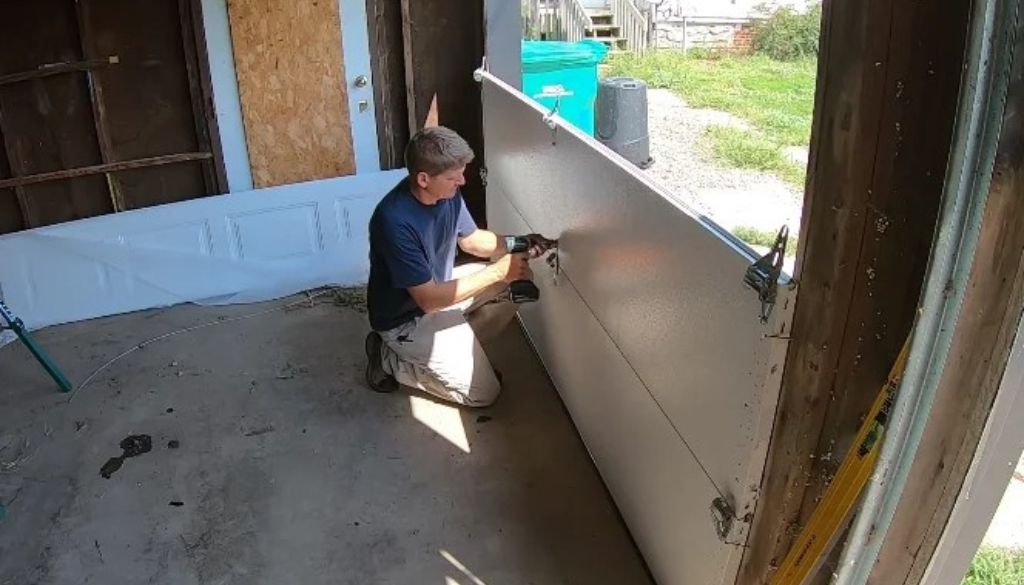
This is especially relevant for homeowners who use the garage as the main entry to the house. If the door cycles multiple times a day and lives in a climate that is already stressing its components, small issues can build faster than expected. Scheduled servicing helps reset that timeline. Instead of reacting only when the motor fails or the door sticks, you are checking the system often enough to keep normal wear from turning into a disruption.
What a 12 month service should achieve
The best annual services are not about creating unnecessary work. They are about identifying what is wearing normally, what is beginning to fail, and what needs immediate attention for safe operation. Depending on the condition of the system, a service may involve inspection, adjustment, minor repairs, or recommendations for replacement of worn components.
A practical service visit should help answer a few basic questions:
- Is the door moving smoothly and evenly through its full travel? Are any components showing wear that could lead to a breakdown? Is the motor or opener operating under avoidable strain? Are there signs that spring, remote, or hardware replacement should be planned? Does the door need repair now, or can the issue be monitored until the next service?
Those questions sound simple, but they are exactly what homeowners need answered. The point is not technical theatre. The point is to know whether the door is safe, reliable, and likely to stay that way until the next scheduled check.
Why some “small” symptoms are worth booking in early
There is a tendency to wait until a problem becomes repeatable. If the door only sticks once a week, or only refuses to close on hot days, many people put it off. That often backfires. Intermittent faults are still faults. In some cases they are the best time to investigate because the system has not yet suffered secondary damage.
A garage door not closing properly is a good example. If it sometimes stops short, reverses, or hesitates, the issue may still be at a stage where correction is straightforward. Leave it for months and the same problem may start affecting the opener or other hardware. The cost is not always in the original defect. It is in everything the defect drags along with it.
The same is true of rattling, scraping, or a door that looks slightly uneven. People often adapt to those signs. They change the way they use the door, avoid opening it more than necessary, or accept that it has become temperamental. From a maintenance perspective, that is the moment to act. Once behaviour changes become part of the household routine, it usually means the system has been declining for a while.
Repair, service, or replacement, knowing the difference
Not every annual service ends with a repair, and not every repair means the whole system is at the end of its life. That distinction matters. A garage door service can include anything from a routine inspection and tune up to more specific work involving springs, remotes, motors, or other components. In some cases, replacing a worn part is the right choice. In others, a full automation upgrade or motor replacement may make more sense than repeated repairs.
Judgment matters here. If a door is structurally sound and the issue is isolated to one serviceable component, repair is often reasonable. If the opener is failing and the existing setup no longer suits how the door is used, replacement may be the more stable long term option. If spring wear is evident, especially in a paired system, planning the replacement correctly is safer than waiting for one side to fail.
This is where a regular service history becomes useful. It gives context. A one off fault on an otherwise healthy door is different from a pattern of recurring strain, poor alignment, and aging hardware. Without that context, homeowners are often forced into last minute decisions. With it, they can schedule work before the door leaves them with no choice.
The hidden benefit of planned maintenance
One of the less discussed benefits of annual servicing is predictability. Breakdowns rarely happen at a good time. They happen before school runs, during heavy weather, when a car is trapped inside, or when access to the home depends on the garage. Emergency repairs have their place, but they usually happen under pressure, with fewer options and more inconvenience.
Planned servicing changes that. It shifts your garage door from being a forgotten mechanical liability to a system that gets checked routinely, much like any other heavily used part of the home. That does not guarantee there will never be a problem. Mechanical systems can still fail. What it does is lower the odds that the failure will arrive without warning.
For households in coastal areas, the argument is even stronger. Heat, humidity, and salt air do not care whether the door is premium or basic. Exposure adds up. An annual inspection is a practical way to deal with that reality instead of pretending the door will age at the same rate as one in a gentler environment.
When to call before the 12 month mark
A yearly service is a good baseline, not a reason to wait through obvious trouble. If the door becomes difficult to operate, stops moving smoothly, starts making distinctly different noises, or shows clear signs of imbalance, it is worth arranging professional attention sooner. The same applies if the opener becomes unreliable or if there is any suspicion of spring failure.
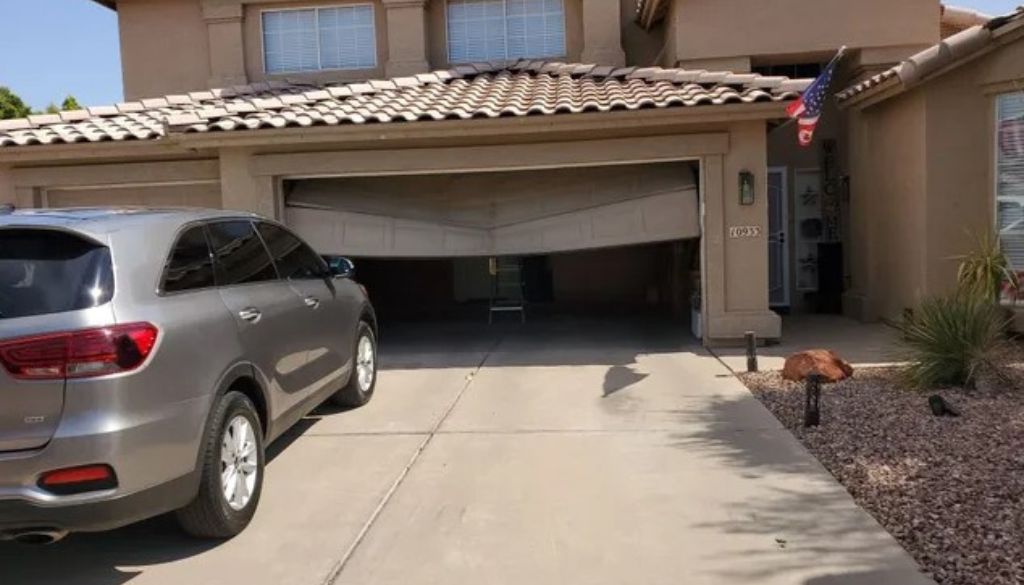
Spring problems, in particular, are not worth testing on your own. Because springs are under high tension, adjustment and repair should be left to trained technicians with proper tools. That is a hard rule, not a cautious suggestion.
Likewise, if one spring has broken, the discussion may need to include both springs because they tend to wear similarly and mismatched springs can create balance issues. That is exactly the kind of technical detail that is easy to miss if the response is based only on the visible failure.
A garage door works best when it is boring
The ideal garage door is uneventful. It opens, closes, seals, and gets out of the way of the rest of life. You do not think about it because it is doing its job without complaint. Annual servicing is how many doors stay in that category.
For homeowners trying to fix garage door problems after they appear, the lesson is simple. Most major headaches start as minor mechanical changes. A yearly service gives those changes a chance to be found early, whether the issue is wear in the hardware, strain on the opener, developing garage door alignment problems, or the first signs that a spring or motor is nearing the end of its useful life.
That is the practical value of putting garage door maintenance on a twelve month cycle. It is not just maintenance for maintenance’s sake. It is a way to catch the small stuff while it is still small, reduce the need for urgent garage door opener repair, and avoid the familiar frustration of a garage door not closing properly when you need it most.