A garage door that hesitates, reverses, stops short of the ground, or closes unevenly is more than a nuisance. It interrupts the normal rhythm of leaving the house, getting home, securing tools or vehicles, and keeping weather out. When the problem starts small, many people hope it will sort itself out with the next press of the remote. In practice, a door that is already behaving inconsistently is often signaling wear, imbalance, or a component that needs attention.
That matters even more in places where hardware is exposed to salt air, humidity, and heat. Those conditions can be hard on moving parts over time. On the Gold Coast, garage door businesses regularly deal with repairs, servicing, installations, and replacement of parts such as motors, remotes, and springs. That range of work tells you something important. A closing problem can come from more than one source, and the safest way to pin it down is a proper inspection rather than guesswork.
There is also a tendency to treat a garage door like a simple household fitting, something closer to a gate latch than a mechanical system. That is usually a mistake. Even a standard residential door has multiple parts working together under load. When one starts to drift out of spec, the symptom you notice, namely that the garage door is not closing properly, may be only the visible part of a larger problem.
Why a closing problem deserves attention quickly
A garage door that does not close properly can leave the home less secure, but security is only part of the picture. The more immediate concern is strain. If the door is misaligned, unbalanced, or fighting a tired motor, every open and close cycle asks more from the system. That extra effort may not cause a breakdown the same day, but it can shorten the useful life of parts that were otherwise still serviceable.
This is where experience matters. Homeowners often focus on the most obvious symptom. If the remote works, they assume the motor is fine. If the door moves, they assume the springs are fine. If it reaches the floor sometimes, they assume alignment is close enough. Real faults are rarely that neat. A professional inspection looks at the system as a whole. It separates a one part issue from a chain reaction where one worn component has started to affect another.
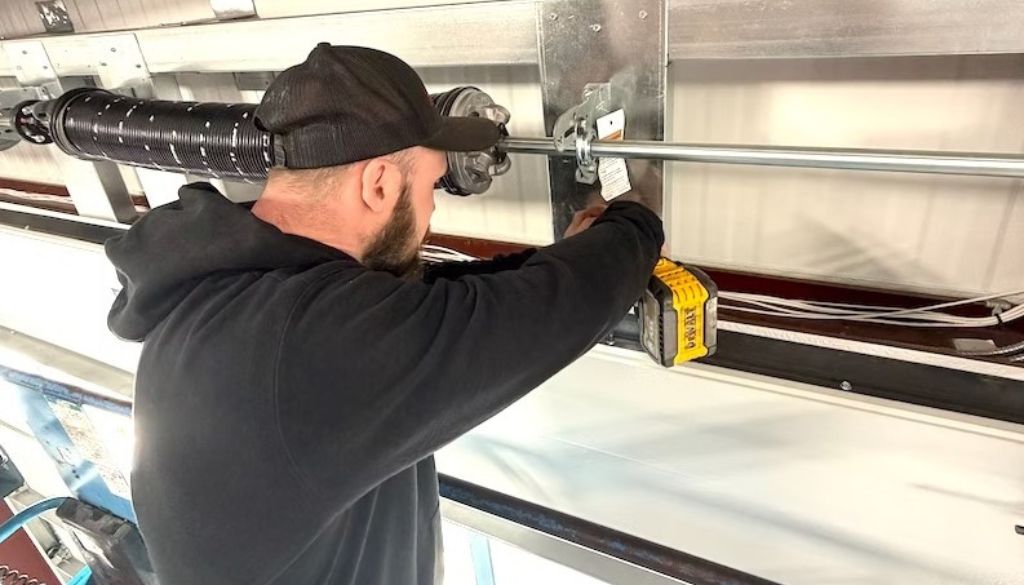
The other reason to act sooner rather than later is safety. Springs are a standard repair item, and they are also one of the components that should never be treated casually. Industry safety guidance is very clear that garage door springs are under high tension and are dangerous to adjust or repair without the right training and tools. A do it yourself attempt that seems minor, such as trying to compensate for poor closing by tampering with spring tension, can create a much more serious risk than the original fault.
What “not closing properly” can look like in real life
The phrase covers more than a single failure. Some doors stop a few centimetres above the floor. Some close, then reverse. Others drop unevenly, with one side appearing lower than the other. Sometimes the door closes only after repeated attempts, or works by wall control but not by remote. In other cases the problem is intermittent, which can be the hardest type for a homeowner to judge because the door behaves normally just often enough to create doubt.
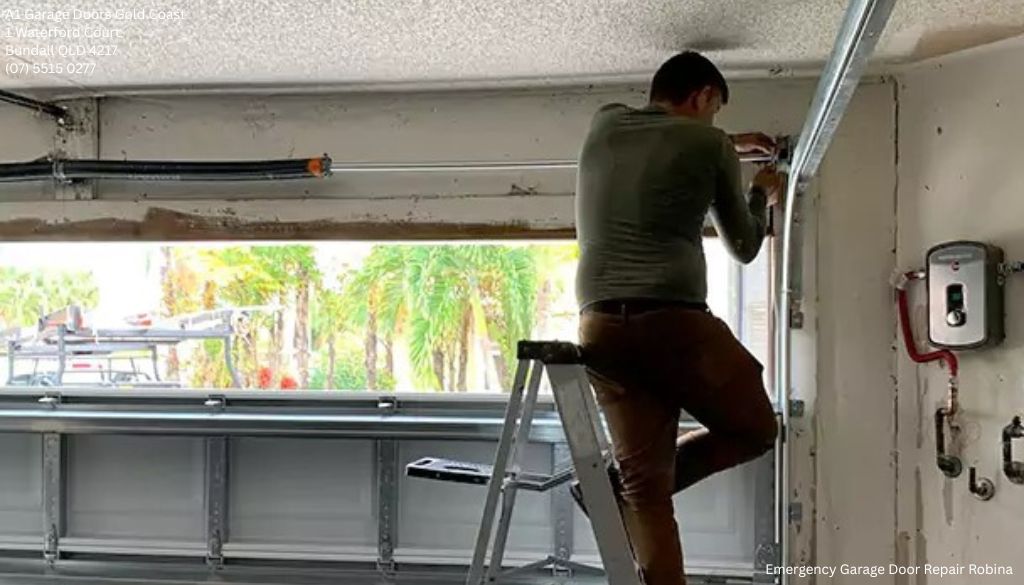
Intermittent faults are exactly where a professional inspection earns its value. A door that works perfectly while a technician is standing there can still leave clues. Uneven wear, poor garage door alignment, signs of strain on the motor, and the condition of springs or other hardware often tell the story even when the symptom does not repeat on demand.
From the homeowner side, the temptation is to search how to fix garage door issues online and start trying random adjustments. That approach can waste time, mask the original fault, or introduce a second problem. It is one thing to note what the door is doing. It is another to alter a mechanical system without a clear diagnosis.
The hidden role of alignment and balance
Garage door alignment is one of those terms people hear but do not always visualize. In simple terms, the door needs to travel evenly and sit correctly within its operating path. If it starts to rack, bind, or settle unevenly, closing becomes less predictable. The door may look only slightly off to the eye, but small alignment issues can affect how smoothly the whole system moves.
Balance is closely related, especially where springs are involved. Springs wear over time, and when they do, the door may no longer be supported the way it should be. That can place more demand on the opener. If a spring has failed, the issue is not just whether the door still moves, but how safely and evenly it moves. One widely shared piece of guidance from service professionals is that when one spring breaks, both springs may need replacement because they typically wear at a similar rate. Using mismatched springs can create balance problems, which brings the closing issue right back again.
That is a good example of why a true inspection beats a single part swap done on impulse. Replacing only the visibly failed component can seem cheaper in the moment, yet leave the system uneven and more likely to return to service with a new fault.
When the opener is the problem, and when it only looks that way
Many homeowners jump straight to the opener because that is the most familiar powered part of the system. Sometimes that instinct is correct. Garage door opener repair is a common service, and Gold Coast providers also offer motor replacement, installation services, and automation upgrades for existing doors. If the motor is struggling, stopping inconsistently, or no longer responding properly, repair or replacement may be the right answer.
But a strained opener is not always the root cause. It may be reacting to a door that is harder to move because of wear elsewhere. That distinction matters because replacing a motor without resolving an underlying balance or alignment issue can leave the new motor working harder than it should from day one.
A careful technician typically considers the opener in context. Is the motor itself failing, or is it compensating for increased resistance in the door? Is the remote issue separate, or is it being mistaken for a closing problem? Does the automation still suit the door it is attached to, especially if the door or its hardware has changed over time? These are practical questions, not theoretical ones, and they are the sort of questions that determine whether a repair lasts.
Conditions on the Gold Coast can be tougher on hardware than people expect
Garage doors live on the edge between indoors and outdoors. They are exposed every day, often several times a day, and in coastal areas the environment is rarely gentle. Salt air, humidity, and heat can all affect garage door hardware and increase maintenance needs. Even when nothing has outright failed, those conditions can contribute to wear that changes how a door closes.
This is one reason regular servicing is not just a sales recommendation. At least one local garage door business recommends professional servicing every 12 months to help prevent breakdowns and extend the life of the door and motor. That interval makes practical sense because it gives a technician a chance to catch wear before it becomes a lockout, a noisy failure, or a security issue.
People often spend money only when the door stops working completely. A more measured approach is to treat a garage door like other mechanical equipment around the home. It may not need constant attention, but it does benefit from periodic professional eyes on it, especially in a climate that can accelerate corrosion and general wear.
Signs that call for a professional inspection rather than more trial and error
If you are dealing with a door that has become inconsistent, the question is not whether you can press the remote one more time. The better question is whether the pattern suggests a fault that should be assessed before it worsens.
- The door closes unevenly, stops short, or reverses after touching down. The opener sounds strained, or the door suddenly feels less smooth than usual. A spring appears damaged, or the door’s balance seems noticeably off. The problem comes and goes, especially after humid or very hot periods. You have already tried basic resets or checks and the issue keeps returning.
That list is deliberately simple. It is not a diagnostic chart. Its purpose is to separate everyday frustration from symptoms that deserve skilled inspection. Once a garage door starts producing repeat problems, more experimenting rarely improves the odds.
What a professional inspection helps clarify
A proper inspection is valuable because it narrows the field. It determines whether you are looking at a service adjustment, a part replacement, a motor issue, or a broader system problem. It also helps avoid spending money in the wrong place.
A good inspection may focus on points such as these:
- the condition and function of the opener or motor the state of springs and whether balance is affected signs that garage door alignment has shifted wear on hardware exposed to local heat, humidity, and salt air whether repair, servicing, or replacement is the more sensible path
Notice that inspection is not the same as immediate replacement. Sometimes the right answer is targeted garage door opener repair. Sometimes it is spring replacement. Sometimes the issue is minor enough that servicing restores reliable operation. And sometimes the honest recommendation is that a replacement component will save repeated callouts in the near future.
Why spring work is the line most homeowners should not cross
There are home maintenance tasks where a careful owner can save money with a bit of time and patience. Spring work is generally not one of them. The reason is simple and non negotiable. Garage door springs operate under high tension, and safety guidance warns that adjusting or repairing them without proper training and tools is dangerous.
The problem is not just breakage. It is stored energy. A spring that looks still and harmless can release force suddenly if handled incorrectly. People sometimes underestimate this because the door has become part of the scenery. They interact with it every day, so it feels familiar. Familiarity is not the same as safety.
There how to fix garage door is also the issue of correct matching. If one spring has broken, it can be sensible to assess both, because they usually wear in similar ways over time. Replacing one while leaving an equally worn partner in place may create balance issues or a follow up failure soon after. That is not scare language, it is a practical service consideration.
If you take only one hard line from this topic, let it be this. Do not treat spring adjustment as a weekend fix garage door project.
Repair, service, or replacement? The decision is not always obvious
Not every closing issue means a major bill. One of the advantages of calling a company that handles repairs, servicing, installations, and component replacement is that it can recommend the appropriate level of work rather than forcing a single solution.
There are times when routine servicing is enough. A door that has gradually become rough or inconsistent may simply need professional attention before parts begin failing in earnest. There are also times when garage door opener repair is the practical middle ground, especially if the door itself remains sound and the issue is isolated to the motor or its operation.
Replacement enters the conversation when a component is clearly worn out, unreliable, or no longer worth repeated stopgap work. Gold Coast providers commonly replace motors, remotes, and springs, and some also carry out automation upgrades for existing doors. That is useful because it means you are not boxed into an all or nothing choice. A system can often be improved or restored one part at a time, provided the overall setup is assessed properly.
Judgment matters here. The cheapest immediate option is not always the most economical over twelve months. A minor service call that restores smooth function is excellent value. So is replacing a failing component before it strands your car inside on a workday morning. On the other hand, replacing parts without understanding the root problem can be false economy.
The value of routine annual servicing
People tend to remember their garage door only when it refuses to move. That is understandable, but not ideal. Annual professional servicing, or about every 12 months, is a sensible rhythm for many households because it creates a regular chance to catch wear before it develops into a breakdown.
This kind of service is especially worthwhile in coastal conditions. Salt air and humidity do not always announce themselves with dramatic corrosion overnight. More often, they contribute to gradual deterioration. A door can continue working while becoming noisier, less balanced, or more demanding on the opener. By the time the garage door is not closing properly, the underlying wear may have been building for a while.
A scheduled service visit also has a practical side that homeowners appreciate. It turns an urgent, inconvenient fault into planned maintenance. That means less chance of dealing with a stuck door during rain, before school drop off, or late at night when you just want the house secured.
A realistic homeowner approach
If your door is acting up, the most useful thing you can do before booking is observe it carefully without trying to force a solution. Note whether the fault is constant or intermittent. Pay attention to whether the door stops short, reverses, or closes unevenly. If the issue appears after very humid or hot weather, that is worth mentioning. If the opener sounds different from normal, mention that too.
Those observations help a technician, but they should not turn into home experiments with spring tension or improvised adjustments. There is a difference between being informed and taking on a risky repair.
Homeowners often ask whether they should wait until the problem gets worse to make the call worthwhile. In my view, that is rarely the best move with a garage door. An early inspection can reveal whether you need a straightforward service, a targeted garage door opener repair, a correction to garage door alignment, or component replacement. Waiting usually narrows your options rather than expanding them.
Book the inspection before a minor problem becomes a major interruption
A garage door that is not closing properly is easy to underestimate because it may still work some of the time. That partial function gives people permission to delay. Yet the pattern behind most garage door faults is gradual decline, not spontaneous recovery.
A professional inspection gives you something more valuable than a quick guess. It gives you a grounded view of the system, the likely cause, and the safest next step. In the Gold Coast area, where regular service providers handle everything from repairs and spring replacement to motor work and automation upgrades, there is no shortage of support for getting the issue assessed correctly.
If your goal is to fix garage door trouble with the least disruption and the fewest repeat problems, start with the inspection. It is the step that separates a short term workaround from a proper solution.