The garage door is easy to ignore until the weather turns rough or the opener starts protesting on a wet Monday morning. In practice, it deserves a place much higher on the home maintenance calendar, especially in parts of Australia where severe storms and cyclones are part of seasonal life. A garage door is not just a large moving panel. It is an opening in the building envelope, a point of access, a mechanical system, and, in some homes, the largest external door on the property.
That mix of roles is exactly why pre-season planning matters. Homeowners often think first about gutters, roofing, and outdoor furniture before storm season. Those things do matter. So does the garage. Queensland guidance is clear that preparation should happen before the season is on top of you, and that people should only go outside after it is officially safe. If the garage door has been neglected for months or years, that is a poor time to discover a problem.
Garage door springs sit right at the centre of this planning conversation. They are one of the components people ask about most, usually after they notice a door feels uneven, noisy, or reluctant to move. Springs do not work in isolation, though. Their condition matters because the entire system matters. Garage door openers, garage door tracks, the door panel itself, the frame, the sealing at the base, and the wind performance of the whole assembly all come into play when you are getting a property ready for a season of heat, storms, and high winds.
Why spring-related planning belongs on the calendar
A garage door is used often and judged casually. If it opens and closes, many people assume it is fine. That is a risky standard. Pre-season maintenance is less about reacting to a complete failure and more about giving yourself time to make sensible decisions while the weather is still cooperative.
The practical reason to plan early is simple. Storm preparation is not just about buying supplies and moving outdoor items under cover. It is also about identifying weak points in the building. Queensland materials on cyclone resilience treat garage doors as an important part of household protection. If a garage door fails, wind can enter the home and increase damage to roofs and walls. That changes the discussion from convenience to resilience.
This is where garage door springs become relevant. Springs affect how the door moves, how it settles, and how the rest of the system behaves under normal use. If a door is not operating properly in calm weather, it makes sense to address that before storm season, not during it. Pre-season planning gives you room to decide whether you need a routine service, adjustment by a qualified contractor, installation of a bracing system if appropriate, or in some cases a full garage door replacement with a wind-rated assembly.
In real homes, maintenance usually gets postponed because the symptoms seem minor. A slight hesitation. A change in sound. A remote that seems moody. A door that closes, but not quite as smoothly as it used to. Small changes are easy to rationalise when the door still functions. They are much harder to dismiss once the seasonal forecast starts getting more serious.
Looking at the whole door, not one part
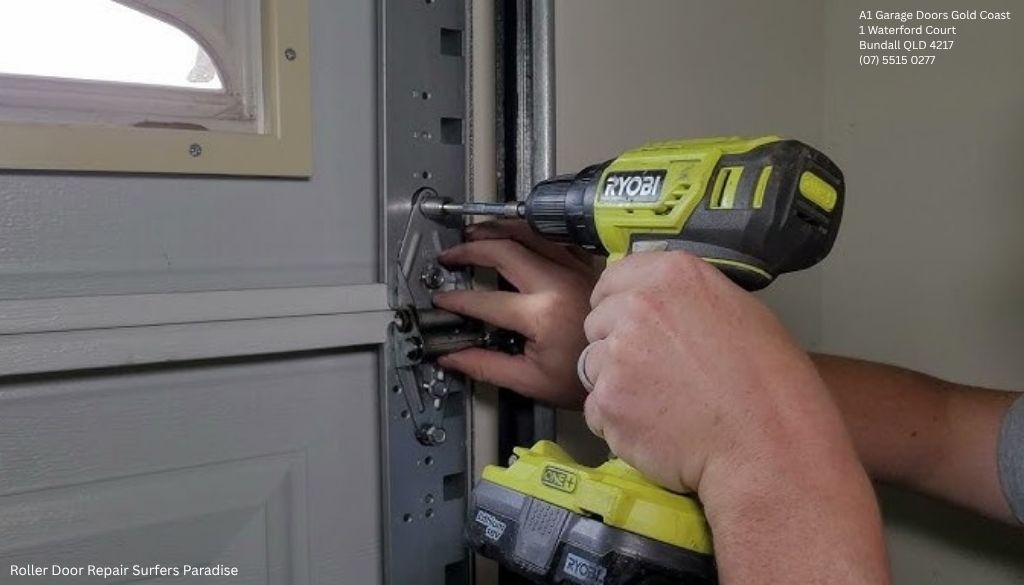
One of the biggest mistakes in maintenance planning is to focus too tightly on one component. Springs matter, but so do the panels, hinges, hardware, tracks, opener, frame, and the way the door meets the floor. Pre-season work is most effective when it treats the garage door as a system.
Garage door tracks are a good example. Homeowners sometimes assume track issues are obvious, but many are not dramatic. Slight misalignment, accumulated grime, or wear elsewhere in the system can contribute to rough movement over time. The same goes for garage door openers. A door that strains against an opener, or an opener that appears to be compensating for another problem, should not be left to muddle through the season.
Then there is the door’s role as part of the building shell. Queensland cyclone guidance specifically points to the need for a garage door to comply with AS/NZS 4505 and be correctly rated for wind pressure, or to have a bracing system that can be installed before a cyclone. That has direct implications for maintenance planning. If you have been meaning to review the age and compliance status of the door, pre-season is the right time. If the door and frame are older or non-compliant, replacing them with wind-rated versions may be one of the more cost-effective resilience upgrades available.
A homeowner might start by asking about springs, then discover the more important question is whether the current door is suited to local wind conditions at all. That is not a sales tactic. It is a sequencing issue. There is little value in polishing the operation of a door that may still be the weakest link in a severe weather event.
What a sensible pre-season review should cover
A good maintenance plan is not overly complicated. It is organised, realistic, and done early enough that there is time to act. The most useful reviews combine everyday operation checks with broader storm-readiness thinking.
Here are five areas worth reviewing before the season starts:
How the door operates day to day, including any noticeable changes in noise, speed, or smoothness. The condition and suitability of the overall door system, including springs, hardware, garage door tracks, and garage door openers. Whether the garage door is wind-rated to the appropriate standard, or whether a bracing system is required before a cyclone. The state of the frame, seals, and the bottom edge of the door, especially if the garage is attached to the home. Whether the door is a candidate for garage door replacement as part of broader resilience work.That review can be done with a practical mindset rather than a technical one. You are not trying to become a door engineer. You are trying to decide whether the system appears sound, whether it suits the local risk, and whether a qualified contractor should be involved before the busy season.
The timing matters more than most people think
There is a pattern to avoid. Homeowners leave maintenance until the first major storm warning, then scramble for help, accessories, and appointments at exactly the moment everyone else is doing the same thing. By then, choices narrow. Contractors get booked out. Replacement lead times can become frustrating. And if there is an issue with compliance, bracing, or the need for a different door altogether, the calendar is suddenly working against you.
A more effective approach is to treat garage planning as part of the wider household pre-season routine. The best time is not after a warning is issued. It is well before you feel pressure. If the door needs inspection, schedule it. If it needs work, give yourself enough lead time to compare options and make a careful decision.
This matters for families who rely heavily on the garage door resource garage for daily movement. Many households use the garage as the main entry point. If access becomes unreliable during a run of bad weather, the inconvenience quickly spreads into school runs, work commutes, storage management, and vehicle protection. Queensland storm preparation advice also encourages people to secure loose items, park vehicles under shelter if possible, and unplug electrical items. The garage often sits at the centre of all three tasks. A door that does not operate properly can complicate them at the worst possible time.
When maintenance becomes replacement
Not every problem deserves a replacement, but some do. This is where professional judgment matters more than blanket advice.
If the main issue is a service need within an otherwise suitable and compliant system, maintenance may be the right path. If the bigger issue is that the door and frame are not wind-rated for the local risk, or the existing setup is non-compliant, a garage door replacement may be the smarter investment. Queensland housing guidance identifies the replacement of existing garage doors and frames with wind-rated versions as part of household resilience work. It also recognises that non-compliant garage doors can be a cost-effective target for improving cyclone resilience.
That is an important point because people often think resilience upgrades must involve major structural work to be worthwhile. Sometimes the most practical improvement is strengthening a vulnerable opening. A garage door sits high Go to this website on that list because its failure can have broader consequences for the home.
There is also a lifestyle angle that should not be overlooked. If you are already considering a replacement for resilience reasons, it makes sense to look at comfort and energy performance at the same time. Australian energy guidance notes that draught stoppers at the base of doors can help reduce heat loss. In an attached garage, better sealing and draught-proofing can improve comfort in adjacent rooms and reduce unwanted air movement. It is not the same as fully insulating the whole home, but it is a sensible piece of a larger picture.
Storm season changes the standard of “good enough”
A door that seems acceptable in mild weather may not be acceptable when the forecast includes severe storms or cyclones. This is where many maintenance plans fail. They judge the garage door only by convenience. Storm season demands a higher standard.
For a detached shed in a low-use area, an imperfect door might feel tolerable for longer. For an attached garage in a cyclone-prone region, the bar should be much higher. The door needs to open and close reliably, but it also needs to fit into a broader resilience plan. Is the opening protected properly? Is the door rated for wind pressure? If the home relies on a bracing system, is it available and ready to install before a cyclone? Those are practical questions, not theoretical ones.
A homeowner once described their garage door to me as “annoying, but serviceable.” That phrasing is more revealing than it sounds. Annoying often means there is a small operating issue that has become normal through repetition. Serviceable often means no one has looked closely because the door has not failed outright. Pre-season planning is the moment to challenge those assumptions.
Openers, remotes, and power habits before rough weather
Garage door openers often get treated as separate from the door, but before storm season they should be considered part of the same preparation plan. If you use the garage as your main access point, the opener’s reliability affects your options for vehicle shelter, access, and last-minute securing of items.
Queensland storm guidance includes practical reminders that connect directly to garage use. Secure loose outdoor items. Park vehicles under shelter if possible. Unplug electrical items. For many households, that means a final check of the garage and the opener setup before bad weather arrives. It is worth thinking through this calmly in advance, not as the wind starts to rise.
That may sound basic, but the point of pre-season planning is to reduce avoidable friction. If remotes are misplaced, access is inconsistent, or the door is already behaving unpredictably, simple weather preparation becomes harder. The garage should help simplify storm readiness, not become another problem to solve under pressure.
The case for professional help
There is a strong temptation to treat garage maintenance as a weekend tidy-up task. Cleaning around the opening, checking the base seal, and organising the space are sensible homeowner jobs. But once the work touches storm hardening, compliance, bracing, or the secure performance of the opening itself, the wiser path is often to use a qualified contractor.
Queensland resilience guidance encourages safe work practices and using qualified contractors when securing vulnerable parts of the home. That is especially relevant when the issue is not cosmetic but structural or safety-related. A contractor can help clarify whether you are looking at maintenance, retrofit measures, or replacement. They can also help you distinguish between a door that merely needs attention and one that is fundamentally unsuited to local wind demands.
This is particularly important with older garage doors. Age alone does not prove a door is inadequate, but it does raise reasonable questions. Has the opening been assessed against current resilience expectations? Is the frame part of the problem? Would bracing be appropriate, or is a wind-rated replacement the more defensible option? Those are not guesses you want to make in a hurry.
A practical pre-season sequence that works
The best plans are simple enough to repeat every year. They do not depend on perfect memory or emergency urgency. They turn a neglected system into a manageable seasonal task.
A workable sequence looks like this:
Review the garage door early, before severe weather is on the doorstep. Note any operating changes, even if the door still opens and closes. Confirm whether the existing door is wind-rated appropriately or whether a bracing system applies. Arrange qualified help if there is any doubt about resilience, compliance, or the need for garage door replacement. Before a storm, use the garage deliberately by sheltering vehicles if possible, securing surrounding items, and unplugging electrical items as advised.That sequence is straightforward because storm preparation should be straightforward. Complexity is the enemy of follow-through. If the plan requires too much improvisation, it tends to happen late or not at all.
Comfort, access, and resilience can be planned together
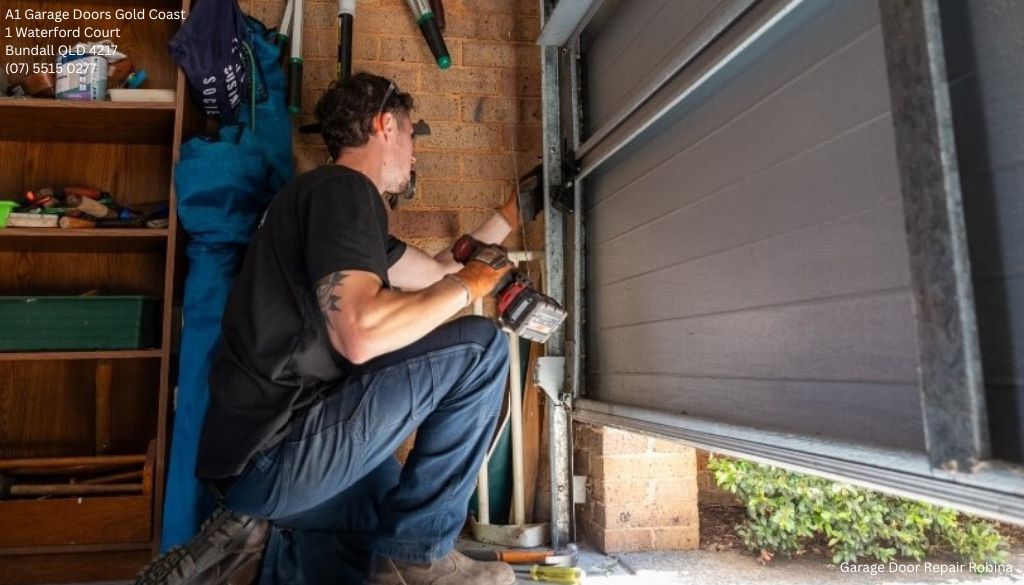
One of the more useful shifts in homeowner thinking is to stop treating maintenance, comfort, and storm resilience as separate projects. In the garage, they often overlap. A door that seals better at the base may help with draught reduction. A wind-rated garage door replacement may also improve day-to-day confidence during rough weather. A properly planned inspection may identify whether the issue you first noticed around the springs is part of a broader system concern.
This joined-up approach usually leads to better decisions. Instead of spending money piecemeal on recurring annoyances, homeowners can weigh what matters most for their property. In one home, a service and a review of the opener may be enough. In another, especially in a cyclone-prone area, the more responsible choice may be a full door and frame upgrade that improves resilience in one move.
That is what pre-season planning should deliver: clarity before urgency. You want to know whether the garage door is simply due for attention, whether the door’s operation points to a larger issue, and whether the opening itself needs to be strengthened or replaced as part of the home’s storm preparation.
What good planning feels like
Good planning does not feel dramatic. It feels boring in the best possible way. The garage door works as expected. The opening has been reviewed with storm season in mind. You know whether the system is wind-rated appropriately or relies on bracing. You are not trying to solve compliance questions under a warning alert. You are not discovering that the garage, which should help protect the home and the vehicle, has become a weak point.
For homeowners in storm-prone regions, that calm is worth pursuing. Garage door springs may be what first gets your attention, but the smarter conversation is bigger than springs alone. It covers the whole moving system, the role of garage door openers and garage door tracks, the condition of the frame and seals, the use of the garage before bad weather, and the possibility that garage door replacement is the right resilience decision.
Pre-season maintenance planning is rarely about one dramatic fix. More often, it is about timing, judgment, and acting before the season demands it. That is how small concerns stay small, and how a garage door remains what it should be: a dependable part of the home, not a last-minute worry when the forecast turns.