A garage door can seem simple when it is working well. It opens, closes, and stays out of the way. That reliability often hides how many parts have to move together for the system to work safely and smoothly. When even one section starts running slightly out of line, the problem rarely stays small for long. That is why garage door alignment deserves a place in routine servicing, rather than being treated as something to look at only after a clear failure.
In day to day use, many homeowners focus on the obvious failures. The motor stops responding. The remote cuts out. The door jams halfway. The garage door not closing properly becomes impossible to ignore. But alignment issues often show up earlier, in quieter ways. The door may sound rougher than usual. It may hesitate, shudder, or finish a cycle with a slight twist or uneven feel. Those signs can be easy to dismiss because the door is still operating. From a service perspective, that is exactly the stage where attention matters most.
Routine servicing already exists to catch wear before it turns into breakdown. In many service markets, that work commonly includes repairs, installations, and replacement of components such as motors, remotes, and springs. Alignment belongs in that same conversation because it affects how all of those parts perform together. A misaligned door does not just look off. It can place strain across the system, and strain is what drives repair calls.
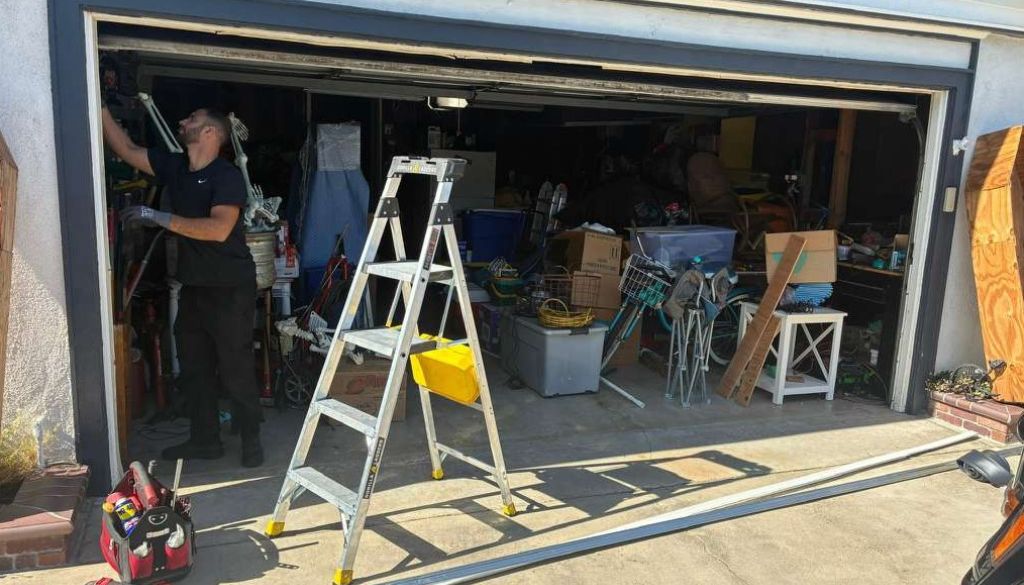
Alignment is not a cosmetic detail
People sometimes hear the word alignment and think about appearance first, as if the concern is whether the door sits neatly in the opening. Appearance can be one clue, but the real issue is function. Garage door alignment is about whether the door is travelling the way it should, under the load it was designed to carry, without forcing connected parts to compensate.
A door that is even slightly out of alignment can behave unpredictably. It may pull harder on one side than the other. It may stop short, bind during travel, or place uneven demand on the opener. That is when smaller service issues start linking together. A call that begins as garage door opener repair may reveal that the opener was working harder because the door itself was not tracking as it should. In practice, service professionals often see one symptom masking another cause.
That distinction matters because replacing a stressed part without addressing alignment can leave the same underlying condition in place. The new component may work for a while, but the system is still fighting itself. Good servicing looks at the door as a whole, not as isolated parts.
The problems usually build gradually
Most alignment issues do not arrive with a dramatic bang. They creep in through use, wear, and environment. In coastal and humid areas, local conditions can add to the maintenance burden. Salt air, humidity, and heat are all known to affect garage door hardware, and that can increase servicing needs over time. Even when the door still opens and closes, those conditions can contribute to deterioration that makes smooth movement harder to maintain.
That gradual pattern is one reason routine checks are more useful than waiting for failure. By the time a door is clearly off track in its movement, other components may already be under stress. A motor may be compensating. Springs may be carrying load unevenly. Fasteners and hardware may be wearing in ways that are not obvious from the driveway.
A customer might say, “It still works, just not as nicely as it used to.” That sentence comes up often in service trades because people naturally adapt to slow decline. They press the remote a second time. They give the door a little more time. They accept a new noise as normal. Months later, they are suddenly looking for someone to fix garage door problems that have been developing all along.
Why servicing every 12 months makes practical sense
A number of service businesses recommend professional servicing every 12 months to help prevent breakdowns and extend the life of the door and motor. That interval is practical for a reason. It is frequent enough to catch wear patterns before they become severe, but not so frequent that it turns into unnecessary fuss for the average household.
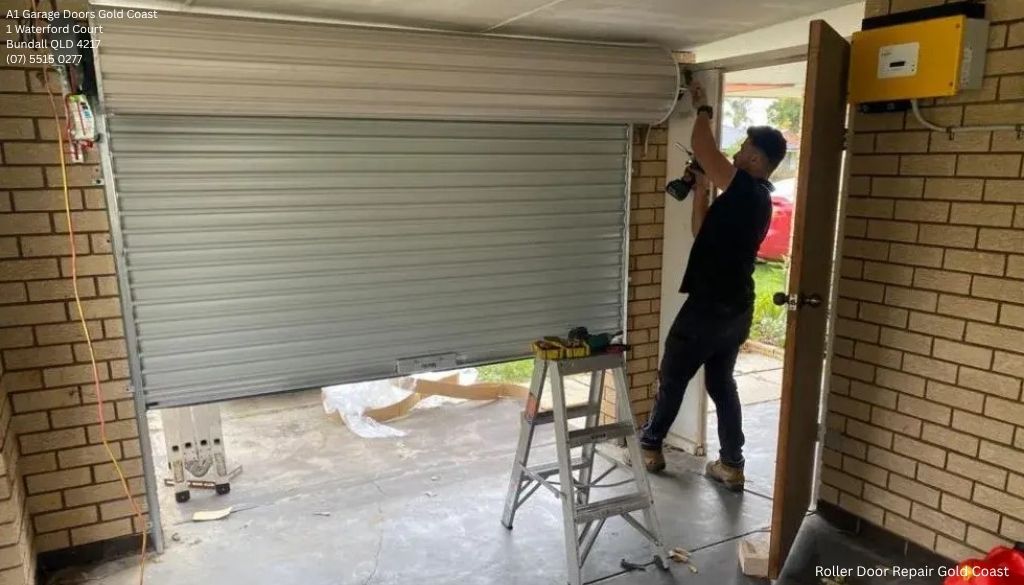
From an alignment standpoint, an annual visit creates a baseline. A technician can observe how goldcoastgaragedoorrepair.com.au the door is travelling, whether it appears to be operating evenly, and whether related components show signs of stress. That matters because alignment is rarely just one visible defect. It is often part of a larger service picture that includes hardware condition, opener performance, and spring behavior.
Without that regular checkpoint, homeowners tend to use one of two flawed benchmarks. Either they wait until the door stops working, or they compare current performance only to whatever they have gotten used to. Neither method is very reliable. Systems that move every day can drift from ideal operation long before they stop functioning altogether.
Misalignment puts pressure where you may not notice it
When a garage door moves poorly, the strain does not stay confined to the most visible point of friction. The stress spreads through the system. That is why alignment should be part of routine servicing even if the initial complaint seems unrelated.
Consider a homeowner who calls for garage door opener repair because the motor sounds louder than it used to. It is reasonable to suspect the opener first because that is the powered component people notice. But if the door itself is not moving evenly, the opener may be reacting to that resistance. Replacing or adjusting the opener without checking alignment can leave the job half finished.
The same logic applies when the complaint is that the garage door not closing properly. Homeowners often think first about remotes, sensors, or the opener settings. Those may absolutely need attention in some cases, but alignment should not be ruled out simply because the symptom appears at the end of the travel cycle. A door that is running out of line can finish badly even if the opener and remote are otherwise serviceable.
This is where experienced servicing makes a difference. Instead of treating each symptom as its own isolated event, it considers whether the system is operating as a balanced whole. That broader approach usually saves time, repeat visits, and avoidable parts replacement.
Springs make alignment more than a convenience issue
Springs deserve special mention because they are both essential and dangerous. Industry and safety guidance makes clear that garage door springs are under high tension and are dangerous to adjust or repair without proper training and tools. That alone is enough reason to keep alignment within professional servicing rather than casual trial and error.
A misaligned door can raise questions about balance and load, which naturally brings springs into the picture. If a spring breaks, safety guidance also indicates that both springs may need replacement because they usually wear in similar ways, and mismatched springs can create balance problems. That detail is easy to overlook, but it speaks directly to the role of alignment in system health. A door works best when forces are properly matched and movement stays consistent. Once those forces become uneven, the risks and repair complexity increase.
This is one of the clearest trade offs in garage door maintenance. People want to save money by delaying service or addressing only the most obvious fault. Sometimes that choice seems to work in the short term. The door opens again, the noise eases, and the issue feels solved. But if spring wear, imbalance, or alignment problems remain in the background, the system may return to trouble quickly, and the stakes are higher because spring work is not a safe DIY area.
What routine servicing should catch before failure
A good service visit does more than react to the complaint that prompted the booking. It should look for patterns that suggest the door is no longer operating as smoothly as it should. Alignment is one of those patterns.
Here are some signs that justify closer attention during servicing:
- the door appears to move unevenly during opening or closing the door sounds rougher or more strained than before the opener seems to work harder than usual the garage door not closing properly becomes a recurring complaint one repair leads quickly to another, suggesting a larger underlying issue
None of those signs, by themselves, prove a specific fault. That is the point. They are clues, not verdicts. The value of servicing is that it gives someone a chance to interpret the clues before a breakdown makes the diagnosis obvious and expensive.
Local conditions can make small problems show up faster
Not every garage door ages in the same way. Environment matters. In places affected by salt air, humidity, and heat, hardware can take more punishment. Those conditions are known to affect garage door components, and they may increase maintenance needs. In practical terms, that means alignment can drift sooner or become more important to monitor because related parts are wearing under harsher conditions.
This is one of the reasons routine servicing schedules should not be treated as generic advice with no local context. A homeowner inland with mild conditions may not see the same maintenance pattern as someone closer to the coast. The annual service recommendation remains a sound baseline, but the reason behind it can be more urgent in tougher environments.
The effect is rarely dramatic at first. Heat, moisture, and salt exposure do not announce themselves with one single event. They contribute to cumulative wear. That cumulative wear can change how consistently the door operates, which is exactly why alignment checks should be folded into regular service instead of being reserved for obvious emergencies.
Repair decisions are better when alignment is part of the diagnosis
One of the most expensive habits in home maintenance is replacing the visible failure without asking why it failed. Garage doors are a good example. Motors, remotes, and springs are all standard service items. Replacing them is often necessary. But the quality of the decision improves when alignment is checked alongside the failed component.
A remote issue might simply be a remote issue. A motor replacement may genuinely be due. A spring can reach the end of its service life. Yet a door that has been operating unevenly can shorten the useful life of connected parts by forcing them to work under less favorable conditions. It is not always possible to draw a straight line from one symptom to one cause, but it is very common for alignment to influence the whole system.
For homeowners, this has a practical benefit. When alignment is included in routine servicing, repair recommendations tend to make more sense. Instead of a string of isolated fixes over several months, there is a better chance of addressing the true source of strain. That does not guarantee lower cost in every case, but it often reduces the frustration of repeat problems.
When not to keep using the door and hoping for the best
There is a difference between a minor maintenance concern and a situation where continued use is a bad idea. Springs are the clearest example because of the high tension involved, but more broadly, any door that is operating in a visibly uneven or troubled way deserves caution. If performance changes suddenly, or if the door no longer closes properly, treating the problem as routine household tinkering can create more risk than value.
A sensible response is usually straightforward:
- stop forcing repeated open and close cycles note the symptom clearly, such as noise, hesitation, or failure to close arrange professional servicing rather than adjusting high tension parts mention any recent repairs, especially spring or motor work ask whether the issue appears related to alignment or balance
That kind of restraint helps. It prevents the common pattern where a homeowner keeps trying the remote, assumes the opener is the only culprit, and misses a larger issue. It also avoids dangerous improvisation around springs.
The best time to address alignment is before the door fails
There is a simple reason alignment belongs in routine servicing. It is easier, safer, and usually more economical to evaluate door movement when the system is still functioning than after it has broken down. Once the door stops working or starts behaving erratically, the diagnosis may involve multiple stressed components rather than one manageable issue.
Professionals who service garage doors regularly tend to think in terms of patterns, not isolated incidents. They know that a replacement motor, a spring issue, or a recurring complaint about a garage door not closing properly may all connect back to the way the door is travelling. They also know that environmental wear, especially in areas affected by salt air, humidity, and heat, can speed up the need for maintenance.
For homeowners, the lesson is less technical than it sounds. If the door is being serviced anyway, alignment should be part of that visit. It should be checked with the same seriousness as the motor, the remote, and the springs. Not because every door has a hidden problem, but because smooth, balanced operation is what helps the whole system last.
Routine servicing is not just about preventing the dramatic failure that traps a car inside the garage. It is about preserving normal operation before strain becomes damage. When viewed that way, garage door alignment stops being an optional extra and becomes what it really is, a basic part of keeping the door reliable, the opener from overworking, and the repair bill from growing larger than it needed to be.
If the goal is to fix garage door problems efficiently, alignment is one of the first things worth taking seriously, not one of the last.